

Microdermabrasion vs Hydrafacial
Microdermabrasion vs HydraFacial, which gives a better glow, learn the real difference in feel, downtime, and results, plus a quick checklist to pick the right treatment.

A good moisturizer can change how your skin looks, feels, and functions. It is not just an extra step in a routine. It helps support the skin barrier, reduce dryness, improve comfort, and keep the skin balanced throughout the day.
The problem is that not every moisturizer works for every person. A rich cream that helps one person may feel too heavy for someone else. A lightweight gel that works beautifully for oily skin may leave dry skin feeling tight and undernourished. That is why choosing the right moisturizer starts with understanding your skin type and what it actually needs.
Moisturizer helps the skin hold onto water and maintain a healthier barrier. When the skin barrier is supported, the skin is usually more comfortable, less reactive, and better able to handle daily stress from weather, cleansing, and other skincare products.
Even oily skin needs hydration. Even acne-prone skin needs balance. Moisturizer is not just for people with dry skin. It is a basic part of keeping the skin functioning well.
When skin does not get the moisture support it needs, it can start to feel rough, flaky, irritated, or overly tight. In some cases, it may even become oilier as it tries to compensate. This is why the right moisturizer is about balance, not just adding richness.
Before choosing a moisturizer, it helps to identify your skin type as clearly as possible.
Dry Skin
Dry skin often feels tight, rough, or flaky. It may look dull and can become more uncomfortable after cleansing. This skin type usually needs richer formulas that help reduce moisture loss and soften the surface.
Oily Skin
Oily skin tends to look shiny, especially around the forehead, nose, and chin. It may also be more prone to clogged pores and breakouts. This skin type still needs hydration, but usually in lighter textures.
Combination Skin
Combination skin has both dry and oily areas. Often the T-zone is oilier while the cheeks feel more normal or dry. This skin type usually needs a balanced formula that hydrates without feeling too heavy.
Sensitive Skin
Sensitive skin may sting, flush, or react easily to strong ingredients, fragrance, or environmental changes. This skin type benefits from simple, gentle moisturizers that focus on barrier support.
Normal Skin
Normal skin is generally balanced, not too oily and not too dry. It still needs moisturizer, but the formula can usually be more flexible depending on the season or personal preference.
It is easy to assume that a popular product will work for everyone. That is rarely true. Skin needs vary based on more than just skin type.
Climate matters. A person living in a humid area may prefer a light gel, while someone in a dry or cold climate may need a richer cream. Age matters too. As skin matures, it often loses moisture more easily and may need more supportive formulas. Lifestyle also plays a role. Frequent cleansing, air conditioning, sun exposure, and active ingredients can all affect how much moisture your skin needs.
Using the wrong moisturizer can create problems. A product that is too heavy may feel greasy or lead to congestion. A product that is too light may leave the skin dry and uncomfortable. The goal is to find a formula that feels supportive, not excessive.
Dry skin usually needs more than a basic lotion. It often responds better to creams with a richer texture and ingredients that help lock in moisture.
Look for formulas with ingredients such as:
Ceramides
Glycerin
Hyaluronic acid
Squalane
Shea butter
These ingredients can help improve hydration and support the skin barrier. A richer moisturizer can also help reduce that tight, stretched feeling that dry skin often has.
For dry skin, it is also important to avoid products that feel too thin or evaporate quickly. If your skin still feels dry soon after applying moisturizer, the formula may not be substantial enough for your needs.
Many people with oily skin skip moisturizer because they are afraid of making their skin greasier. In reality, dehydrated oily skin can become even more unbalanced.
The better approach is to choose a lightweight moisturizer that hydrates without feeling thick or greasy. Gel creams, lotions, and oil-free formulas often work well for oily skin.
Look for terms such as:
Lightweight
Non-greasy
Oil-free
Non-comedogenic
Helpful ingredients may include hyaluronic acid, niacinamide, and glycerin. These can hydrate the skin without adding heaviness.
If a moisturizer feels like it sits on top of the skin or makes your face look shiny very quickly, it may be too rich for your skin type.
Combination skin can be tricky because one part of the face needs balance while another part needs more moisture. This is where texture becomes especially important.
A lotion or lightweight cream is often a good starting point. It can give enough hydration for drier areas without overwhelming oilier zones. In some cases, people with combination skin prefer using one balanced moisturizer for the whole face. Others use a lighter product in oily areas and a richer one on drier areas.
There is no rule that says you must use only one moisturizer. If your skin behaves differently in different areas, it makes sense to respond accordingly.
Sensitive skin usually does best with simple formulas. The fewer unnecessary extras, the better.
Look for moisturizers that are:
Fragrance-free
Gentle
Barrier-supportive
Free from harsh alcohols
Designed for sensitive skin
Ingredients like ceramides, glycerin, oat extract, and squalane can be helpful. The focus should be on calming and supporting the skin, not overwhelming it with too many actives.
Patch testing is also important. Even products labeled gentle can still cause irritation in some people. Testing a small amount first can help prevent a bigger reaction.
Reading ingredient labels can feel confusing at first, but a few ingredients appear often for a reason.
Hyaluronic Acid
This ingredient helps attract water to the skin and can make it feel plumper and more hydrated.
Ceramides
Ceramides help support the skin barrier. They are especially useful for dry or sensitive skin.
Glycerin
Glycerin is a humectant, which means it helps draw moisture into the skin. It is simple, effective, and found in many good moisturizers.
Niacinamide
Niacinamide can help support balance, improve the look of the skin barrier, and work well for many skin types.
Squalane
Squalane provides lightweight nourishment and can help soften the skin without feeling overly heavy.
Not every ingredient is a problem, but some formulas are less suitable for certain skin types.
If your skin is sensitive, fragrance can sometimes be an issue. If your skin is oily or acne-prone, very heavy formulas may not feel comfortable. If your skin is dry, products with too much alcohol may leave it feeling even more stripped.
The point is not to fear ingredients. It is to notice how your skin responds and choose accordingly.
Marketing terms can sound impressive, but it helps to understand what they usually mean.
Non-comedogenic
This generally means the product is designed not to clog pores. It can be helpful for oily or acne-prone skin.
Gel, Lotion, and Cream
These terms often tell you more about the texture than the quality.
Gel moisturizers are usually light and refreshing
Lotions are often balanced and easy to spread
Creams are usually richer and more nourishing
Texture matters because it affects how the moisturizer feels on your skin. The right texture can make you much more likely to use the product consistently.
Some people use one moisturizer for both day and night. Others prefer different formulas.
A daytime moisturizer is often lighter and may sit better under sunscreen and makeup. A nighttime moisturizer may be richer and more focused on comfort and repair.
You do not need two separate moisturizers unless your skin benefits from it. What matters most is that your skin feels properly supported.
Your skin does not need the exact same thing all year.
In colder months, skin often feels drier and may need a richer moisturizer. In hot or humid weather, a lighter formula may feel more comfortable. This is normal. Adjusting your moisturizer based on the season is often smarter than trying to force one product to work in every condition.
If your usual moisturizer suddenly feels too heavy or not hydrating enough, the weather may be part of the reason.
Even a good moisturizer works better when applied the right way.
Apply it after cleansing, ideally while the skin is still slightly damp. This can help trap some of that moisture in the skin. Use enough to cover the face comfortably, but not so much that it feels excessive.
A little can go a long way, depending on the formula. The skin should feel comfortable and hydrated, not smothered.
Common Moisturizer Mistakes
Some of the most common mistakes are simple.
Skipping moisturizer because your skin is oily is one. Choosing a product just because it is trendy is another. Using a formula that clearly does not suit your skin, then hoping it will somehow improve, is also common.
Another mistake is ignoring how your skin actually feels. Your skin gives feedback. If it feels greasy, tight, irritated, or congested, the moisturizer may not be the right fit.
A Simpler Way to Choose the Right Moisturizer
If the options feel overwhelming, keep it simple.
Start with your skin type. Choose a texture that makes sense for that skin type. Look for a few reliable hydrating or barrier-supporting ingredients. Avoid formulas that obviously do not match your skin needs. Then give the product a little time and pay attention to how your skin responds.
You do not need the most expensive moisturizer. You do not need the most viral one either. You need one that suits your skin and helps it feel balanced.
Final Thoughts
Choosing the right moisturizer for your skin type is less about chasing perfection and more about understanding what your skin needs day to day. Dry skin usually needs richer support. Oily skin often does better with light hydration. Sensitive skin benefits from gentler formulas. Combination skin needs balance.
The best moisturizer is the one that helps your skin feel comfortable, healthy, and supported without creating new problems. When you choose based on skin type, texture, ingredients, and how your skin actually responds, the process becomes much easier.
A good moisturizer does not have to be complicated. It just has to fit.
Microdermabrasion vs HydraFacial, which gives a better glow, learn the real difference in feel, downtime, and results, plus a quick checklist to pick the right treatment.
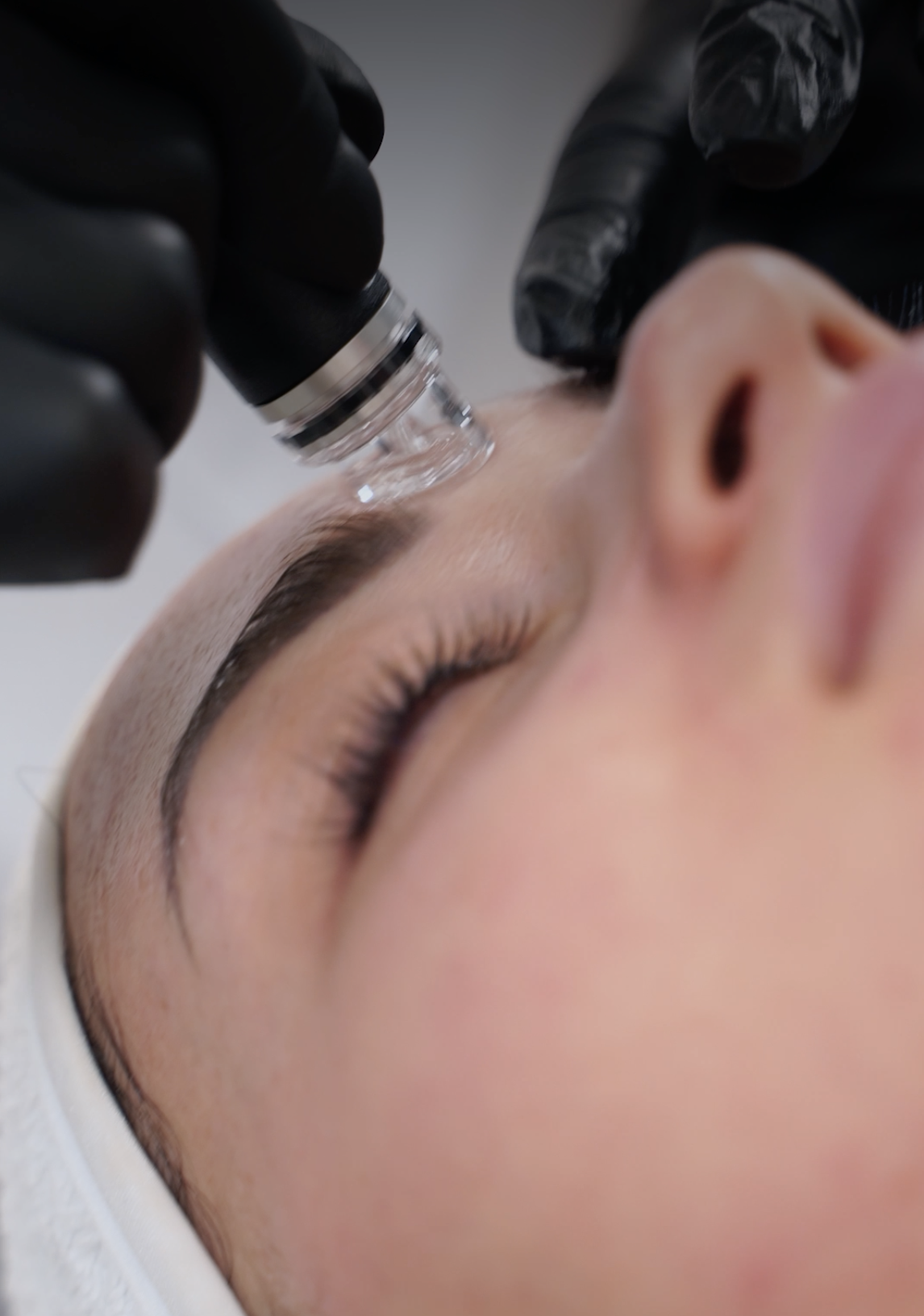
Learn the differences between HydraFacial and Glo2Facial. Discover which treatment suits your skin best and get expert advice on your choice.
Trustindex verifies that the original source of the review is Google. Oceren has truly transformed my skin. I was so insecure about my face and ashamed. Jaseyla and Faith are the best. The products are amazing and the staff are the sweetest and welcoming. The vibe is so calming/relaxing that I always wish my facial was longer. I will never go anywhere else.Posted on GoogleTrustindex verifies that the original source of the review is Google. Oceren is the best. Great experience every visit. Highly recommend Baylee for any service. She’s amazing!Posted on GoogleTrustindex verifies that the original source of the review is Google. I’ve been going here for almost a year now. After every visit my skin is SO amazing. Faith takes such good care of me and really pays attention to my progress and changes my skin undergoes. In fact, she is currently rescuing my skin after another service/product damaged it. Faith truly cares about my skin health and me! The facility is very welcoming, clean, and relaxing. They have their own parking lot with plenty of spaces. I highly recommend!!Posted on GoogleTrustindex verifies that the original source of the review is Google. Phenomenal service. Faith is fantasticPosted on GoogleTrustindex verifies that the original source of the review is Google. Faith has been a miracle worker for my acne issues and I haven’t felt such clear skin in years! I have been to a good number of med spas and estheticians in my lifetime and Faith truly stands out with her depth of knowledge and gentle hands. Not only that but she is always so warm and kind! The skincare regimen she’s put me on has given such positive results, as well as the tailored hydrafacials for my skin clarity.Posted on GoogleTrustindex verifies that the original source of the review is Google. If you are feeling unconfident in your skin, I HIGHLY recommend seeing Faith at Oceren. She has been so kind, supportive, and informative through my acne journey, and I seriously cannot recommend her service enough!!Posted on GoogleTrustindex verifies that the original source of the review is Google. Faith is great! She completely understands my daughter’s skin care needs and it shows! Would definitely recommend her to anyone with a teen who is struggling with acne.Posted on GoogleTrustindex verifies that the original source of the review is Google. I’ve been seeing Jaseyla for a couple of years now for my adult acne. My skin hasn’t looked this good in years! She is incredibly knowledgeable and takes the time to access what your skin needs and provides expert recommendations without any pressure. She’s truly amazing!Posted on Google